By 2026, artificial intelligence will extend beyond digital interfaces into the physical world through robots, autonomous vehicles, and industrial IoT systems. As tech giants like Amazon invest heavily in collaborative robotics to offset AI development costs, these technologies are set to redefine efficiency and daily life. Below are five transformative robotics trends to anticipate by 2026.
1. Humanoid Robots Enter the Mainstream
While robots have traditionally been designed for specialized tasks, humanoid forms will soon become commonplace in workplaces, healthcare, and even households. Their adaptability—rooted in the evolutionary success of human-like structures—enables versatility across multiple functions. Advances in complex AI now make it feasible to control these forms, positioning humanoid robots as the future of general-purpose automation.
2. Collaborative Robots Expand in Workplaces
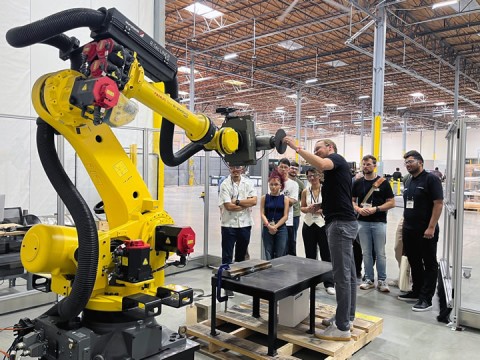
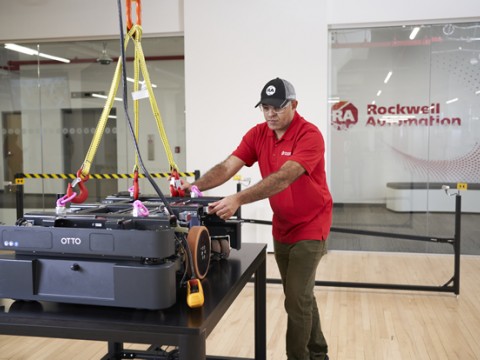
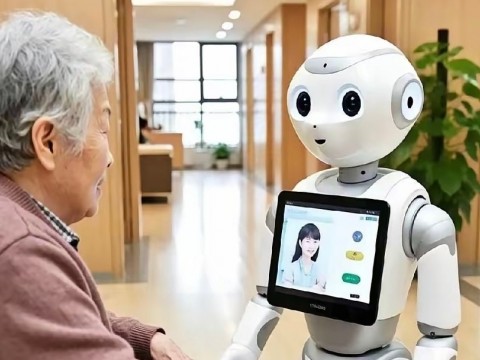
Collaborative robots, or "cobots," are increasingly deployed alongside humans in manufacturing and logistics. By 2026, falling costs and improved technology will make them accessible to small and medium-sized enterprises. The cobot market is projected to reach $30 billion by 2035, with applications expanding to food service, public cleaning, and elderly companionship.
3. Autonomous Taxis Gain Traction
Fully autonomous vehicles are becoming a reality in specific contexts. Cities like San Francisco, Beijing, and Abu Dhabi already operate self-driving taxi services, with Dubai, Europe, and Korea planning trials by 2026. While personal autonomous cars may take longer to approve, commercial fleets are set to become part of urban mobility.
4. Robotics Transform Engineering and Construction
AI-driven robots are entering manual sectors such as construction, plumbing, and engineering. Machines like the bricklaying Hadrian X and drilling Baubot MRS15 exemplify this shift. By 2026, robots will routinely handle measuring, inspection, and demolition, cutting repetitive labor by 25–90% and reducing human exposure to hazardous tasks by 72%.
5. Autonomous Systems Reshape Defense
The war in Ukraine has accelerated the use of robotics in combat, from scout "robot dogs" to AI-controlled weaponry. The U.S. "Replicator" program aims to mass-produce autonomous drones and assault vessels. As automated warfare evolves, 2026 will see further integration of AI in military operations.
Conclusion
The shift from digital to physical AI represents one of this generation’s most significant technological transformations. Whether in factories, cities, or conflict zones, intelligent machines are becoming integral to everyday reality. Organizations and individuals must prepare for a world increasingly shaped by robotics.