


Dobot has officially launched the Rover X1, positioning it as the world's first home "intelligent body" robot. Priced at ¥7,499, it aims to bridge the gap between high-cost industrial machines and simple electronic pets by offering practical, AI-powered functionality for everyday home scenarios.

A New Balance: Performance & Affordability
The consumer robot market has long been split between two extremes: industrial-grade machines costing hundreds of thousands of dollars and functionally limited "electronic pets". The Rover X1 seeks a middle ground, leveraging Dobot's decade of experience in industrial robotics to translate mature technologies into an innovative and affordable home product.
Core Breakthroughs: Three Key Technologies
The Rover X1's core innovation lies in three technological advances designed to make it useful, easy to use, and frequently used in a home environment:
Dual-Vision Tracking System: This system enables omnidirectional perception and autonomous decision-making, allowing the robot to navigate complex home environments reliably.
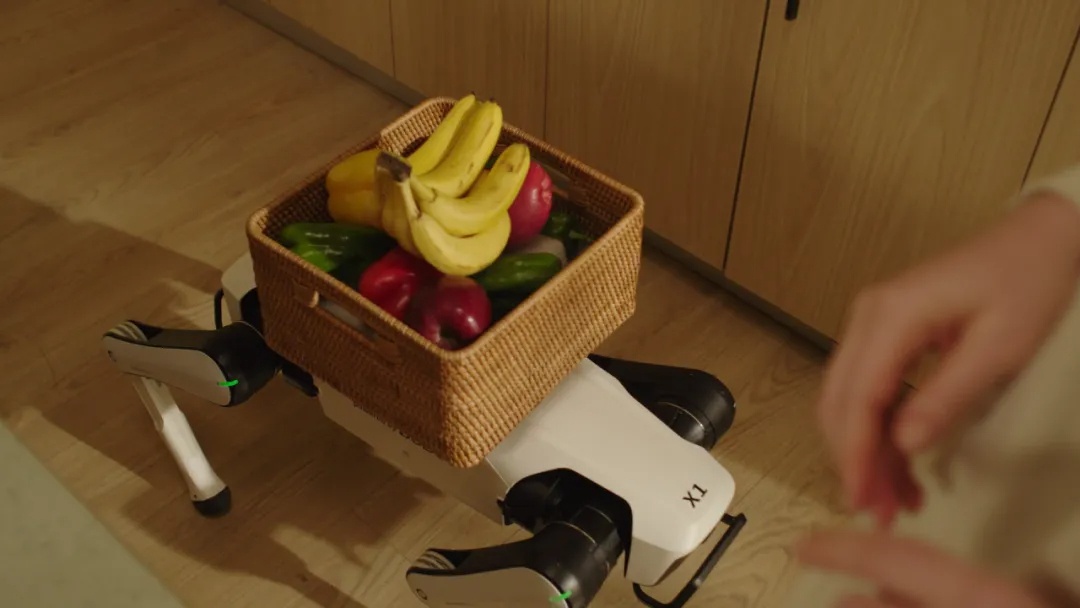
All-Terrain Wheel-Leg Structure & Load-Bearing Capacity: It can move steadily on various surfaces, from smooth indoor floors to outdoor grass and small slopes, while carrying everyday items.
Self-Developed Open Platform: This platform supports flexible role-switching, allowing the Rover X1 to adapt to multiple scenarios, truly achieving "one machine for multiple uses".
Versatile Applications: From Outdoor Adventures to Emotional Companionship
The Rover X1 is designed to be a versatile companion integrated into various aspects of daily life:
Outdoor Adventure: It acts as a "mobile follower cam" and "pack mule." It can carry cameras for hands-free filming and transport water, food, and gear during hikes or camping trips.
Home Security: With panoramic perception and autonomous mobility, it can perform tasks like night patrols and monitoring unfamiliar areas, sending real-time footage to the user's device.
Programming Education: The built-in open system supports both graphical and code-based programming, helping children develop logical thinking and innovation skills by designing robot actions and tasks.
Emotional Companionship: Beyond practical tasks like carrying backpacks or delivering items, it can interact via voice, follow autonomously, and respond with lights and expressions, aiming to become a warm companion for the family.
